How Winter Damages Commercial Flooring and What You Can Do About It

Winter’s frigid temperatures and unpredictable conditions pose significant challenges for commercial properties—especially regarding flooring. Between snow, ice, salt, and other debris, the season can cause hidden wear and tear that adds up faster than most business owners realize. Let’s look at how winter weather damages commercial floors, explore how snow and salt affect different flooring materials, and discuss the best strategies for recovery and long-term prevention.

How Does Winter Weather Damage Commercial Floors?

Commercial floors endure a barrage of stress during winter, from the constant influx of foot traffic tracking in salt and melting snow to the repeated cycles of freezing and thawing. These factors compromise both the aesthetic and structural integrity of various flooring types. Understanding how winter weather damages floors is the first step toward effective prevention and restoration.

Salt Erosion

Winter salt is essential for keeping outdoor walkways safer by melting ice and snow. However, once tracked indoors, the very properties that make salt effective outside turn it into a corrosive agent on commercial floors. Salt granules grind into the surface, wearing away protective coatings and potentially etching or pitting the underlying material.

Over time, this erosion leaves floors looking dull and uneven while weakening their protective layers, paving the way for more extensive damage. Regular cleaning and prompt removal of salt deposits are vital to preventing excessive wear.

Moisture Damage

Melted snow and ice bring in high levels of moisture that seep into cracks, seams, and porous surfaces. Whether it’s water damage beneath the surface of vinyl tile or moisture that warps hardwood planks, prolonged wet conditions can wreak havoc on floor materials.

Excess moisture also creates an ideal environment for mold and mildew growth, which further compromises structural integrity. Quickly drying wet areas and having proper mats at entrances can help reduce the risk, but once water has penetrated the floor, a more thorough restoration process may be needed.

Scratches From Debris

Winter weather rarely travels alone—debris like small rocks, sand, or road grit often gets caught in the treads of shoes and boots. When these particles reach indoor floors, they act as abrasives, scraping and gouging surfaces with each footstep. High-traffic areas, in particular, can quickly develop visible scratches and scuff marks that disrupt a professional, polished look. While some flooring materials resist scratches better than others, any unprotected surface is susceptible to scarring, making routine cleaning and protective measures crucial for preserving a pristine appearance.

Residue Buildup

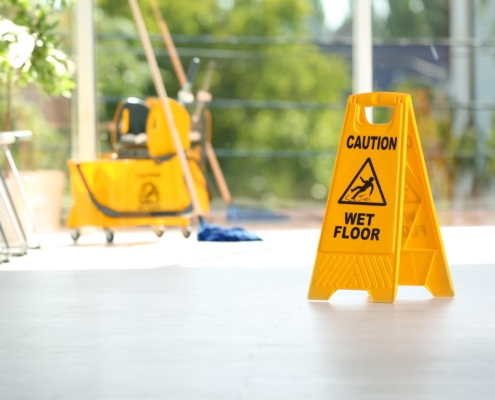
Salt isn’t the only substance that can accumulate during winter. Chemical de-icers, dirt, and leftover moisture often mix to form a stubborn residue that damages commercial floors. This buildup can dull finishes, stain grout lines, and make surfaces feel sticky or gritty underfoot. In severe cases, residue can create slip hazards for employees and visitors.

Left unchecked, these layers become harder to remove, necessitating more intensive cleaning methods such as scrubbing or stripping the finish entirely. Regularly scheduled mopping with the right cleaning solutions can make a significant difference in preventing residue-related issues.

Temperature Fluctuations

Although often overlooked, the constant variation between freezing outdoor temperatures and heated indoor environments contributes to floor damage. Materials that expand in warmth and contract in the cold become more prone to cracking or splitting, especially around joints and seams. Repeated heating and cooling cycles also stress adhesives used to secure tiles or other materials, increasing the likelihood of them becoming loose or popping up. Maintaining stable indoor temperatures and using robust materials can mitigate some of these winter-induced stresses.

The Impact of Snow and Salt on Floor Types

Snow and salt are expected in winter, but their effect on commercial floors varies depending on the specific material. Some floors handle harsh conditions better than others, but no flooring type is entirely immune. Understanding how snow and salt affect different surfaces helps facility managers and business owners tailor their cleaning and maintenance plans effectively.

Concrete Floors

Concrete is generally durable and can withstand heavy foot traffic, but its porous nature makes it vulnerable to salt. When moisture and salt seep into the surface, they can cause pitting, chipping, or spalling. Sealing concrete floors before winter sets in is one of the most effective ways to reduce these problems, though prompt cleanup of tracked-in salt remains essential.

Vinyl and VCT

Vinyl flooring offers good moisture resistance. However, the protective finish can degrade under the abrasive action of salt and sand. Small particles become embedded in the surface, creating scratches that expose underlying layers. Regular sweeping or vacuuming to remove debris is crucial, along with mopping up any salt-laden slush to prevent adhesive breakdown and discoloration.

Hardwood Floors

Hardwood can exude sophistication in commercial settings, but it’s highly susceptible to water damage. Snowmelt and temperature swings may cause boards to warp or buckle, and salt particles can scratch the finish or settle into the grain. Controlling humidity levels indoors and placing mats at entrances help prevent extensive damage, though a specialized cleaning regimen is often necessary throughout the winter.

Tile and Grout

Tiles are often water-resistant, but grout lines can quickly stain or erode when exposed to de-icing chemicals, salt, and dirt. Dirty, discolored grout looks unprofessional and can eventually compromise the tile’s adhesion. Sweeping regularly, using neutral-pH cleaners, and sealing grout lines are best practices to keep tiles in top shape during winter.

Laminate Flooring

Laminate floors boast a protective top layer designed to resist everyday wear and tear, but moisture and abrasive salt can still do considerable harm. Water left on a laminate floor for too long can cause swelling or separation at the seams. Routine wiping of wet areas, paired with gentle cleaning to remove salt residue, typically preserves the laminate’s appearance until warmer weather returns.

 Take a closer look at how winter weather, like salt and snow, can cause damage to commercial floors and what you can do to stop it.

What Are the Best Ways to Repair Floor Damage?

When winter leaves your commercial floors looking worse for wear, it’s time to take corrective measures. Repairing damage promptly helps preserve a polished, safe environment during winter, protecting both your brand image and bottom line.

Deep Cleaning

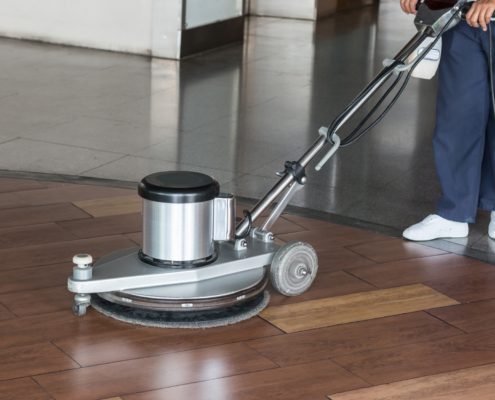
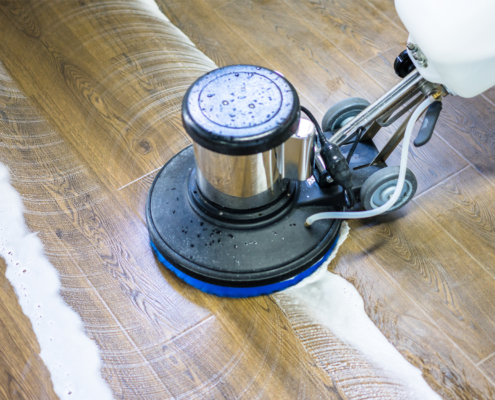
A comprehensive clean removes winter residue like salt, sand, and chemical de-icers. First, a powerful vacuum or sweeping system eliminates loose debris, followed by a thorough scrubbing or steam cleaning that penetrates grout lines and beneath surface layers. A deep clean revives aesthetics while preventing leftover contaminants from causing further damage.

Polishing

Polishing smooths out minor scratches, restores shine, and breathes life back into dull floors. A polishing machine with specialized pads buffs away light imperfections for hard floors like stone or concrete. This process revitalizes the floor’s look and helps close microscopic pores, reducing dirt infiltration.

Sealing

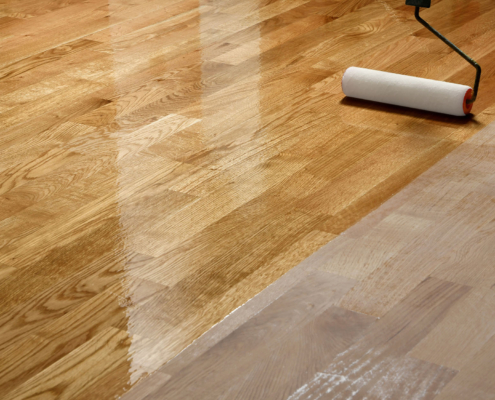
Sealing floors with a protective coating helps guard against moisture, salt, and dirt. Products vary by material—urethane-based finishes for hardwood, acrylic sealers for concrete, or penetrating sealers for stone. A quality sealant prolongs the time between necessary repairs and safeguards your investment from repeated winter damage.

Ongoing Maintenance

Once the initial repairs are done, regular upkeep is essential. Scheduling frequent hard floor cleaning sessions, performing inspections for hidden damage, and promptly addressing any issues help keep floors looking pristine. Consistent care prevents small problems from escalating into expensive restorations.

Factors to Consider When Recovering From Winter Floor Damage

Successfully navigating the recovery process involves more than fixing what’s immediately visible. Businesses must invest in long-term prevention, budgeting, and their facilities’ unique characteristics.

  • Future Prevention: To reduce damage in upcoming winters, focus on materials and sealants that can better resist salt, water, and debris.
  • Budgeting for Repairs: Accurately assess repair and maintenance costs before winter arrives, building these expenses into your annual facility management budget.
  • Scheduling Convenience: Plan major repair tasks during off-peak hours or slower business seasons to minimize disruption and maintain a professional environment.
  • Professional vs. DIY Approaches: Weigh the benefits of hiring an experienced cleaning service, which often has specialized equipment and expertise, against the cost of in-house remedies.
  • Seasonal Cleaning Protocols: Adjust cleaning schedules, materials, and methods to align with each season’s particular challenges, ensuring consistent care throughout the year.
  • Regular Inspections: Document how floors fare each winter and schedule periodic inspections to address early signs of damage before extensive repair is necessary.

Keeping these considerations in mind can better equip businesses to handle future winter challenges and maintain a safe, attractive commercial space.

Recover From Winter Damage to Commercial Floors With Brenner Facility Services

Winter might be inevitable, but severe damage to your commercial floors doesn’t have to be. Whether you need a thorough deep clean, repair work to mend cracks and scratches, or a customized maintenance plan to combat future winter conditions, Brenner Facility Services is ready to help. Our experienced team combines state-of-the-art cleaning equipment with proven strategies to restore flooring across a wide range of materials and finishes.

Don’t let salt, ice, and moisture compromise the safety and appearance of your workplace. Contact Brenner Facility Services today for comprehensive, professional support that leaves your floors resilient, polished, and prepared to weather every winter season ahead.

More Like This

How to Repair Winter Damage on Commercial Hard Floors With a Floor Damage Assessment
The Top 5 Reasons to Choose Professional Cleaning for Your Floors