Protect Flooring Winter: Salt and Snow Damage Prevention for Commercial Buildings

Winter may bring scenic snowfall, but it also introduces serious risks to the condition of your facility’s carpets and floors. If left unaddressed, salt and other materials can cause long-term surface damage, costly repairs, and an unprofessional appearance. Discover how to protect flooring in winter with the right prevention and maintenance strategies.

How Salt Damages Floors and Carpets

Salt is one of the biggest culprits behind winter floor damage. While it’s useful for melting ice outside, it’s a threat once tracked indoors. Salt particles are coarse and abrasive, meaning they can scratch hard flooring and degrade carpet fibers. Combined with moisture, salt becomes a slurry that seeps into grout, corrodes finishes, and leaves behind white residue that’s hard to remove.

Over time, salt and snow floor damage can:

  • Erode protective coatings on tile and vinyl
  • Cause discoloration in carpeted areas
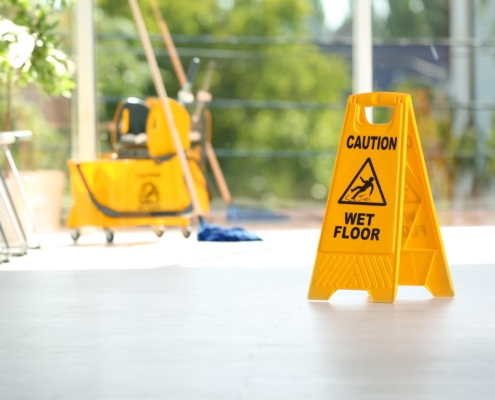
  • Increase slip hazards due to slick surfaces
  • Reduce the overall lifespan of your flooring

The first step in protecting flooring in winter is understanding how frequently these contaminants are introduced, and acting quickly to remove them before they settle in.

Why Moisture Makes Everything Worse

Salt might start the damage, but moisture makes it worse. Melting snow and slush soak into floor materials, especially carpets. This moisture carries salt deeper into fibers and joints, weakening adhesives and creating conditions for mold and mildew. In some cases, water saturation can lead to buckling in hardwood floors or warping in vinyl planks.

That makes timely drying and cleaning essential. The longer water and salt sit on your floors, the more extensive the damage. Preventing moisture buildup is just as important as removing contaminants.

Entryway Matting: Your First Line of Defense

Investing in the right type of entryway matting is a simple and effective way to protect flooring in winter. Mats trap dirt, salt, and water at the door, reducing what gets tracked further inside your building. But not all mats are created equal.

For effective winter carpet protection, use a combination of:

  • Scraper mats outside the entrance to remove heavy debris and snow
  • Absorbent mats inside the doorway to soak up moisture
  • Extended runners in high-traffic areas to continue protection beyond the entrance

Mats should be regularly vacuumed and replaced, or cleaned to maintain effectiveness. A mat that is saturated or covered in salt becomes more of a hazard than a help.

How Often Should Floors Be Cleaned in Winter?

During winter, cleaning frequency should increase. Daily floor care is often necessary in high-traffic facilities such as offices, schools, and healthcare buildings. Entryways, hallways, and common areas should be cleaned at least once per day, with spot cleaning throughout as needed.

Commercial floor care in winter should include:

  • Frequent mopping and vacuuming near entry points
  • Immediate spill and slush removal
  • Weekly or biweekly deep cleaning to remove salt and buildup

Waiting until the end of the season to protect flooring in winter could leave permanent stains or surface wear.

Choosing the Right Winter Cleaning Products

Not all cleaning products are suited for winter grime. Some cleaners react poorly with salt or don’t effectively break it down. Others may leave behind residue that attracts more dirt or becomes slippery when wet.

A professional janitorial team will use:

  • Neutral pH cleaners to dissolve salt without harming floor finishes
  • High-powered vacuums for carpeted areas
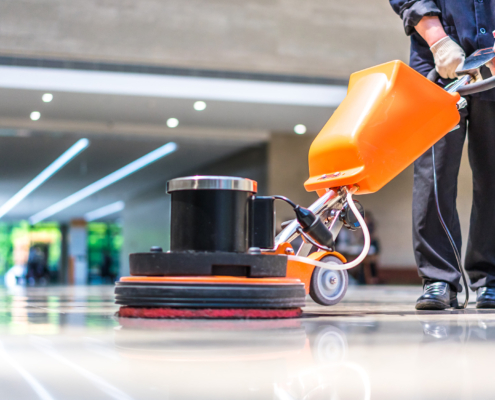
  • Automatic floor scrubbers for large hard floor sections

Choosing products designed for winter soil helps preserve the look and structure of your floors while maintaining a safe environment.

Winter is tough on flooring, but proactive care can make all the difference. Defend your floors from salt and snow damage with expert commercial cleaning solutions.

Why Commercial Cleaning Services Matter in Winter

Professional cleaners understand how to adjust routines based on the season. In winter, they focus on preventing salt and snow floor damage, protecting surfaces, and maintaining appearances. They also work efficiently to avoid disruption during business hours or school operations.

A winter-ready commercial cleaning company will:

  • Tailor service schedules around peak traffic times and weather events
  • Use safe, effective equipment and products
  • Track cleaning metrics and monitor high-risk areas

Their experience with winter carpet protection ensures that nothing gets overlooked, even corners, baseboards, and hidden moisture traps.

Flooring Types and Their Winter Vulnerabilities

Each type of commercial flooring responds differently to winter conditions. A tailored care plan takes these differences into account.

  • Vinyl composition tile (VCT): Salt residue dulls the shine, and water can lift tiles.
  • Carpet: Prone to staining, mold, and salt build-up in fibers.
  • Hardwood: Sensitive to moisture, which causes warping and discoloration.
  • Ceramic tile: Grout lines absorb water and salt, leading to erosion.

Understanding these vulnerabilities helps facility managers prioritize the right maintenance methods and frequency.

Long-Term Cost Benefits of Winter Floor Protection

Investing in commercial floor care during winter isn’t just about appearance. It’s also a smart financial move. Proactive protection reduces the need for repairs, replacements, and emergency cleanups.

Some long-term benefits include:

  • Extended lifespan of flooring materials
  • Fewer slip-and-fall accidents and liability risks
  • Lower cleaning costs over time due to consistent upkeep
  • Enhanced brand image through cleaner, more professional spaces

Routine maintenance pays off, and often costs less than restorative services after damage has occurred.

Winter Carpet Protection in Schools and Offices

Educational facilities and offices face unique challenges during winter. Schools deal with constant student foot traffic, snow-covered boots, and minimal downtime. Offices see more meetings, visitors, and staff movement around holiday periods.

For schools, it’s vital to:

  • Clean hallways and classrooms daily
  • Use durable matting at all entrances
  • Schedule deep cleans during winter breaks

For offices:

  • Protect lobby areas and shared spaces
  • Maintain restrooms and break rooms with increased frequency
  • Address high-traffic areas with targeted cleaning

Customized plans help each facility maintain safety and appearance without interrupting regular activities.

Partnering with a Commercial Floor Care Expert

When it comes to winter protection, your janitorial partner makes all the difference. Brenner Facility Services has years of experience helping offices, schools, and medical buildings implement seasonal cleaning programs that prevent damage and improve longevity.

Our winter-specific commercial building cleaning services include:

  • Matting assessments and recommendations
  • Daily or weekly cleaning tailored to your space
  • Use of winter-appropriate cleaning solutions
  • Emergency snow and salt cleanup plans

We work directly with facility managers to build a strategy that fits your schedule, budget, and flooring types.

Get Winter-Ready with Brenner Facility Services

Winter floor care is about more than just cleanliness. It’s about protecting your facility’s value, reducing safety risks, and keeping your building looking sharp and professional all season long. Contact us to create a winter floor protection plan tailored to your space and schedule.

More Like This

How Professional Floor Care Helps Reduce Winter Slip-and-Fall Accidents
Prevent Salt Damage to Floors and Carpet This Winter
How to Repair Winter Damage on Commercial Hard Floors With a Floor Damage Assessment