
 https://www.brennerfs.com/wp-content/uploads/2026/01/Prevent-Salt-Damage-to-Floors-and-Carpet-This-Winter.jpg
1250
2000
Abstrakt Marketing
/wp-content/uploads/2023/09/BFS-Logo-Horizontal-V2-scaled.jpg
Abstrakt Marketing2026-01-20 16:35:122026-05-07 16:46:39Prevent Salt Damage to Floors and Carpet This Winter
https://www.brennerfs.com/wp-content/uploads/2026/01/Prevent-Salt-Damage-to-Floors-and-Carpet-This-Winter.jpg
1250
2000
Abstrakt Marketing
/wp-content/uploads/2023/09/BFS-Logo-Horizontal-V2-scaled.jpg
Abstrakt Marketing2026-01-20 16:35:122026-05-07 16:46:39Prevent Salt Damage to Floors and Carpet This WinterHow Professional Floor Care Helps Reduce Winter Slip-and-Fall Accidents
Every winter in New England, facility managers brace for snowstorms, ice buildup, and freezing temperatures. What often receives less attention, however, is what happens after employees and visitors walk through the door. Snow, slush, ice melt, and grit are tracked indoors continuously, creating slippery surfaces that increase the risk of injury. Without consistent professional floor care, these conditions can quickly lead to a slip-and-fall accident.
Why Slip-and-Fall Accidents Spike During Winter
Slip hazards increase dramatically in winter due to a combination of environmental and operational factors. Snow and slush accumulate on footwear and are tracked indoors, melting onto hard floors and leaving behind moisture and salt residue. Over time, that residue builds up and creates a slick film that reduces traction.
The most common winter floor hazards include:
- Melted snow pooling near entrances
- Ice melt residue that leaves a slippery surface once dry
- Grit and sand that grind into flooring
- Rapid temperature changes causing condensation
Each of these hazards increases the likelihood of a slip-and-fall accident. Even a single untreated area in a high-traffic facility can lead to injury claims, workers’ compensation costs, and legal exposure.
Why Reactive Mopping Is Not Enough
Many facilities rely on in-house staff to mop entryways as needed. While well-intentioned, reactive mopping often fails to address the full scope of winter contamination. Moisture may be removed temporarily, but salt residue and embedded grit remain.
Reactive cleaning has several limitations, however, including that standard cleaning solutions may not break down winter salt buildup and floors remain damp longer, extending slip risk.
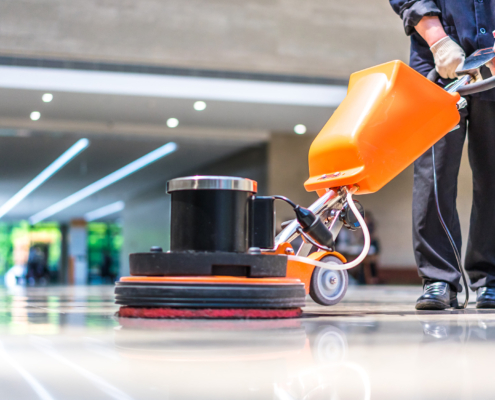
Professional floor care goes beyond surface-level cleaning. It uses equipment and cleaning agents designed to lift and remove contaminants effectively, improving traction and reducing residual hazards.
How Professional Floor Care Improves Traction and Safety
Consistent professional floor care addresses both visible moisture and invisible residue. Commercial-grade equipment extracts water quickly, minimizing drying time. Specialized solutions dissolve salt buildup and remove grime embedded in textured flooring.
Benefits of professional floor care during winter include:
- Faster drying times to reduce slip risk
- Removal of winter salt residue that dulls floors and reduces traction
- Protection of flooring materials from long-term damage
- Improved overall appearance and cleanliness
When floors are properly maintained, they provide better grip underfoot, which directly reduces the risk of a slip-and-fall accident. In busy facilities, that difference can be the line between prevention and liability.
Learn how Brenner Facility Services’ specialized hard floor cleaning programs designed to address salt buildup, moisture, and winter-specific hazards.
The Cost of Slip-and-Fall Accidents Versus Prevention
A single slip-and-fall accident can result in medical costs, workers’ compensation claims, legal fees, and reputational damage. For property managers and operations leaders, the financial impact often extends far beyond the immediate incident.
Consider the potential costs:
- Emergency medical response
- Lost productivity
- Increased insurance premiums
- OSHA investigations
- Litigation expenses
Compared to these risks, investing in professional floor care is a proactive and cost-effective strategy. Prevention-focused maintenance reduces liability exposure while demonstrating due diligence in workplace safety.
What Makes Winter Floor Cleaning Different?
Winter conditions require more than standard commercial floor cleaning routines. Ice melt compounds used outdoors are highly corrosive and leave behind residue that standard cleaners may not fully remove. Additionally, moisture control becomes a daily priority in entry zones.
An effective winter plan includes:
- Frequent monitoring of entryways and high-traffic corridors
- Use of a floor cleaner for winter salt that neutralizes residue
- Scheduled extraction cleaning to remove embedded grit
- Strategic mat placement combined with regular floor cleaning
Professional floor care programs adjust frequency and techniques based on weather severity. In heavy snowfall periods, cleaning cycles may increase to prevent buildup before it becomes hazardous.
Industries That Benefit Most from Seasonal Floor Care
While nearly every commercial facility faces increased winter slip hazards, some environments are particularly vulnerable due to constant foot traffic, public access, or operational risk. In these settings, the consequences of a slip-and-fall accident extend beyond minor inconvenience.
Healthcare Facilities
Hospitals, outpatient centers, and medical offices operate with continuous foot traffic from patients, staff, and visitors. A slip-and-fall accident in a healthcare setting can lead to serious injury and significant liability exposure.
Consistent professional floor care ensures that waiting rooms, hallways, and treatment areas remain safe and dry. It also protects sensitive flooring materials from salt damage while maintaining the clean, sanitary appearance patients expect.
Corporate Office Buildings
Office buildings in New England experience steady traffic during winter commutes. Employees arriving throughout the morning bring snow, slush, and grit into lobbies and elevator banks. Without consistent commercial floor cleaning, these areas quickly become slick and unsafe.
Professional floor care programs in office environments focus on entry transitions, elevator vestibules, and high-traffic corridors. By maintaining traction and minimizing drying time, facility managers reduce the likelihood of a workplace slip-and-fall accident.
Manufacturing and Industrial Facilities
Industrial facilities face a unique combination of hazards during winter. In addition to snow and salt, workers may track in oils, debris, or other substances that mix with moisture and create unstable walking surfaces.
A structured floor cleaning service for commercial industrial spaces ensures contaminants are removed effectively. Professional floor care not only improves traction but also supports OSHA compliance and overall workplace safety initiatives.
Educational Institutions
Schools and universities experience constant foot traffic, particularly during arrival, dismissal, and between-class transitions. Wet floors near entrances and locker areas can quickly become safety concerns for students and staff alike.
Professional floor care during winter helps maintain dry, clean hallways and entry zones. It also protects flooring from long-term salt damage, preserving both safety and appearance throughout the academic year.
Supporting OSHA Compliance and Risk Management
Facility managers are responsible for maintaining safe walking surfaces under OSHA’s general duty clause. Failure to address known slip hazards can expose organizations to citations or legal action.
Professional floor care supports compliance by:
- Maintaining clean, dry walking surfaces
- Documenting scheduled maintenance
- Demonstrating proactive risk management
- Reducing hazardous residue accumulation
By implementing consistent professional floor care, organizations show that they are taking reasonable steps to prevent accidents. That documentation can be critical if an incident does occur.
The Role of Equipment and Expertise in Winter Floor Safety
Commercial auto-scrubbers, high-powered extractors, and specialized floor treatments provide deeper cleaning than traditional mopping. These tools remove moisture efficiently while lifting salt and grit from flooring surfaces.
Trained janitorial teams understand how winter conditions impact different floor types, from tile and concrete to vinyl and sealed surfaces. Proper chemical selection is essential, particularly when addressing corrosive ice melt residue.
A structured commercial floor cleaning program adapts to weather patterns rather than following a static schedule. This flexibility is key to maintaining safe, dry floors during unpredictable winter storms.
What to Include in a Winter Floor Maintenance Plan
A comprehensive winter plan should combine prevention, monitoring, and scheduled service.
Key elements include:
- Entry mat programs to capture moisture and debris
- Increased cleaning frequency during storms
- Use of a floor cleaner for winter salt to neutralize residue
- Regular inspections of high-risk zones
- Documentation of cleaning schedules
By formalizing these steps, facility managers reduce reactive responses and create a predictable maintenance cycle. Professional floor care ensures each component is executed consistently.
Protect Your Facility This Winter With Professional Floor Care From BFS
Winter slip hazards are predictable, but accidents are preventable. By investing in proactive cleaning strategies, facility managers protect employees, visitors, and their organizations from costly slip-and-fall accidents.
If your facility is preparing for winter or experiencing increased slip hazards, Brenner Facility Services is ready to help. Our experienced team delivers professional floor care tailored to seasonal conditions, using commercial-grade equipment and proven methods to keep your floors clean, safe, and compliant.
Contact us today to build a winter floor maintenance plan that reduces risk and protects your facility.
https://www.brennerfs.com/wp-content/uploads/2026/01/Prevent-Salt-Damage-to-Floors-and-Carpet-This-Winter.jpg
1250
2000
Abstrakt Marketing
/wp-content/uploads/2023/09/BFS-Logo-Horizontal-V2-scaled.jpg
Abstrakt Marketing2026-01-20 16:35:122026-05-07 16:46:39Prevent Salt Damage to Floors and Carpet This Winter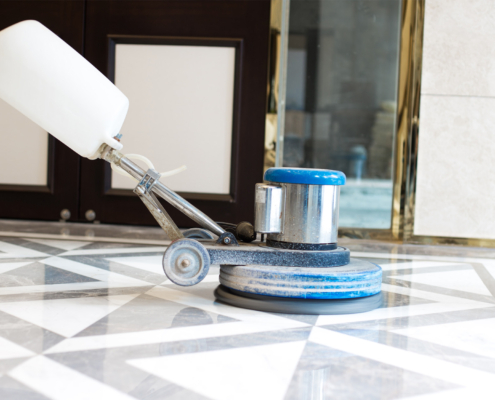 https://www.brennerfs.com/wp-content/uploads/2025/10/Protect-Flooring-Winter-Salt-and-Snow-Damage-Prevention-for-Commercial-Buildings.jpg
1250
2000
Abstrakt Marketing
/wp-content/uploads/2023/09/BFS-Logo-Horizontal-V2-scaled.jpg
Abstrakt Marketing2025-10-31 16:09:252026-05-07 16:46:40Protect Flooring Winter: Salt and Snow Damage Prevention for Commercial Buildings
https://www.brennerfs.com/wp-content/uploads/2025/10/Protect-Flooring-Winter-Salt-and-Snow-Damage-Prevention-for-Commercial-Buildings.jpg
1250
2000
Abstrakt Marketing
/wp-content/uploads/2023/09/BFS-Logo-Horizontal-V2-scaled.jpg
Abstrakt Marketing2025-10-31 16:09:252026-05-07 16:46:40Protect Flooring Winter: Salt and Snow Damage Prevention for Commercial Buildings https://www.brennerfs.com/wp-content/uploads/2025/05/How-to-Repair-Winter-Damage-on-Commercial-Hard-Floors-With-a-Floor-Damage-Assessment.jpg
1250
2000
Abstrakt Marketing
/wp-content/uploads/2023/09/BFS-Logo-Horizontal-V2-scaled.jpg
Abstrakt Marketing2025-05-29 14:40:092026-05-07 16:46:43The Importance of Seasonal Insurance Coverage
https://www.brennerfs.com/wp-content/uploads/2025/05/How-to-Repair-Winter-Damage-on-Commercial-Hard-Floors-With-a-Floor-Damage-Assessment.jpg
1250
2000
Abstrakt Marketing
/wp-content/uploads/2023/09/BFS-Logo-Horizontal-V2-scaled.jpg
Abstrakt Marketing2025-05-29 14:40:092026-05-07 16:46:43The Importance of Seasonal Insurance Coverage https://www.brennerfs.com/wp-content/uploads/2025/02/Wet-floor-sign-on-floor.jpg
1250
2000
Abstrakt Marketing
/wp-content/uploads/2023/09/BFS-Logo-Horizontal-V2-scaled.jpg
Abstrakt Marketing2025-02-24 16:35:022026-05-07 16:46:44Why Maintaining Commercial Floor Safety During Winter Is a Must
https://www.brennerfs.com/wp-content/uploads/2025/02/Wet-floor-sign-on-floor.jpg
1250
2000
Abstrakt Marketing
/wp-content/uploads/2023/09/BFS-Logo-Horizontal-V2-scaled.jpg
Abstrakt Marketing2025-02-24 16:35:022026-05-07 16:46:44Why Maintaining Commercial Floor Safety During Winter Is a Must https://www.brennerfs.com/wp-content/uploads/2025/02/Busy-commercial-building.jpg
1250
2000
Abstrakt Marketing
/wp-content/uploads/2023/09/BFS-Logo-Horizontal-V2-scaled.jpg
Abstrakt Marketing2025-02-24 16:25:112026-05-07 16:46:45Commercial Cleaning Tips for High-Traffic Floors During Winter
https://www.brennerfs.com/wp-content/uploads/2025/02/Busy-commercial-building.jpg
1250
2000
Abstrakt Marketing
/wp-content/uploads/2023/09/BFS-Logo-Horizontal-V2-scaled.jpg
Abstrakt Marketing2025-02-24 16:25:112026-05-07 16:46:45Commercial Cleaning Tips for High-Traffic Floors During Winter https://www.brennerfs.com/wp-content/uploads/2025/02/Commercial-building-in-the-snow.jpg
1250
2000
Abstrakt Marketing
/wp-content/uploads/2023/09/BFS-Logo-Horizontal-V2-scaled.jpg
Abstrakt Marketing2025-02-24 16:09:112026-05-07 16:46:45The Impact of Salt and Snow Damage on Commercial Floors and How to Prevent It
https://www.brennerfs.com/wp-content/uploads/2025/02/Commercial-building-in-the-snow.jpg
1250
2000
Abstrakt Marketing
/wp-content/uploads/2023/09/BFS-Logo-Horizontal-V2-scaled.jpg
Abstrakt Marketing2025-02-24 16:09:112026-05-07 16:46:45The Impact of Salt and Snow Damage on Commercial Floors and How to Prevent It
